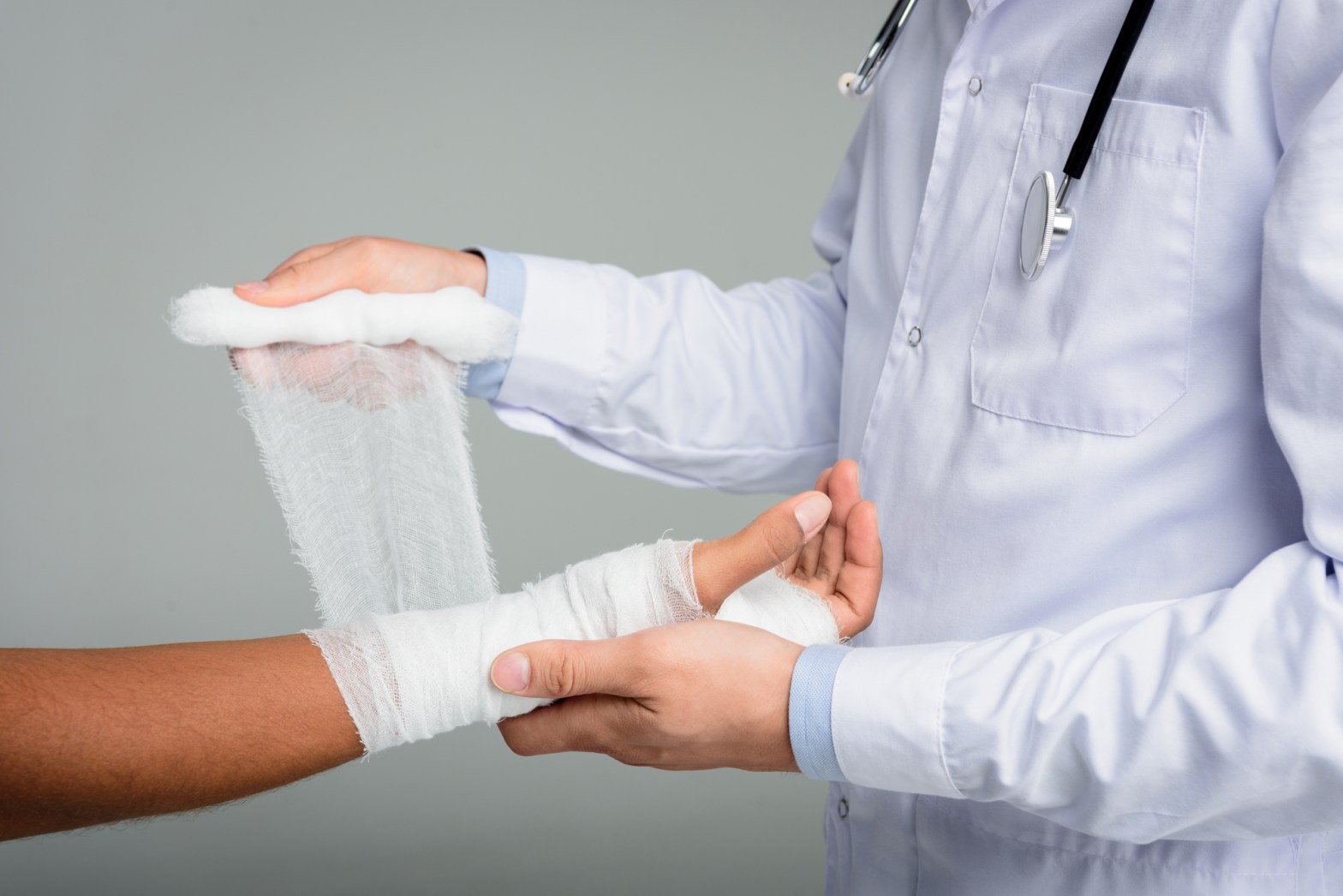
The Nova Scotia Insurance Act provides limitations on the amount that can be awarded to victims for pain and suffering after a minor injury. As of 2019, victims who sustain what is considered a minor injury can receive up to a maximum of $8768 as compensation for pain and suffering. However, there is no limit to the amount of compensation given for financial claims such as pain and suffering, property damage and loss of income.
What is a minor injury?
To determine whether a victim has suffered a minor injury, the following questions are asked:
- Was there a personal injury involved?
- Did the accident result in a permanent or serious disfigurement?
- Did the injury result in a permanent or serious impairment of an important body function
- Did the injury last for more than 12 months after the accident occurred?
Injuries such as sprains, strains, and minor whiplashes may be considered minor injuries. Whiplashes that involve a fracture or dislocation of the spine are considered serious impairments. Any injury that results in neurological damage is not considered minor.
When you partner with a lawyer, you can get proper legal advice on whether or not you think your injury is minor. This is something that’s best to discuss with a lawyer instead of passing your own judgment. In fact, judging for yourself can sometimes be dangerous as the underlying condition can get worse with time and prevent you from getting adequately compensated.
What injuries are automatically considered major?
Serious injuries such as those that involve bone fractures, brain, face, head, and neck fractures are automatically considered major. Any spinal cord injuries, damage to the disc, ligaments or skin burns and vital organs also fall under the category of major injuries. Injuries that lead to amputations, blindness, chronic pain, internal bleeding or wrongful death are also automatically major.
What types of damages can you recover?
You may be able to recover non-pecuniary damages for non-monetary losses. These losses can be difficult to assess. They include things like loss of enjoyment, pain, and suffering. You may also recover pecuniary damages, which are simply losses that can be financially measured. A good example of pecuniary damage is medical expenses. For things like medical bills, property damage and wage losses, it can be fairly simple to determine their monetary value. However, the financial harm associated with losses like pain and emotional distress requires a detailed analysis of the different kinds of treatment that would be required to address them. Non-pecuniary damages are also awarded based on the victim’s previous lifestyle, relationships, and employment prospects.
What to do if you’ve been in an accident
First, ensure that you’re out of the way if there’s oncoming traffic and that everyone involved is ok. Don’t ignore getting medical attention simply because you can’t see any signs of injury. Some injuries are not obvious at first and getting medical help ensures that you are out of harm’s way. Find a personal injury lawyer who has been practicing in the legal area related to your injury to give the best legal help.

Contact our legal team by calling 902-425-7330 or 1-800-465-8794 or by completing the contact form on this page.
| 1869 Upper Water St Suite PH 301 3rd Floor, Pontac House Historic Properties Halifax, NS, B3J 1S9 Canada | Phone: 902-425-7330 Toll free: 1-800-465-8794 Fax: 902-422-1233 |
 CanadianLaw